When to Harvest Courgettes: A UK Checklist for Peak Flavour
Courgettes are the most generous crop in a British vegetable patch, and that generosity is exactly what makes them easy to get wrong. Leave a fruit on the plant for three extra days and it turns into a watery, seedy marrow that takes up half the fridge and disappoints on the plate. Pick it at the right moment and a single plant will keep you in courgettes from July until the first cold nights. The trick is learning what "ripe" actually looks like on a courgette — which is not quite the same as ripe on a tomato.
Size Is the Real Measure of Flavour
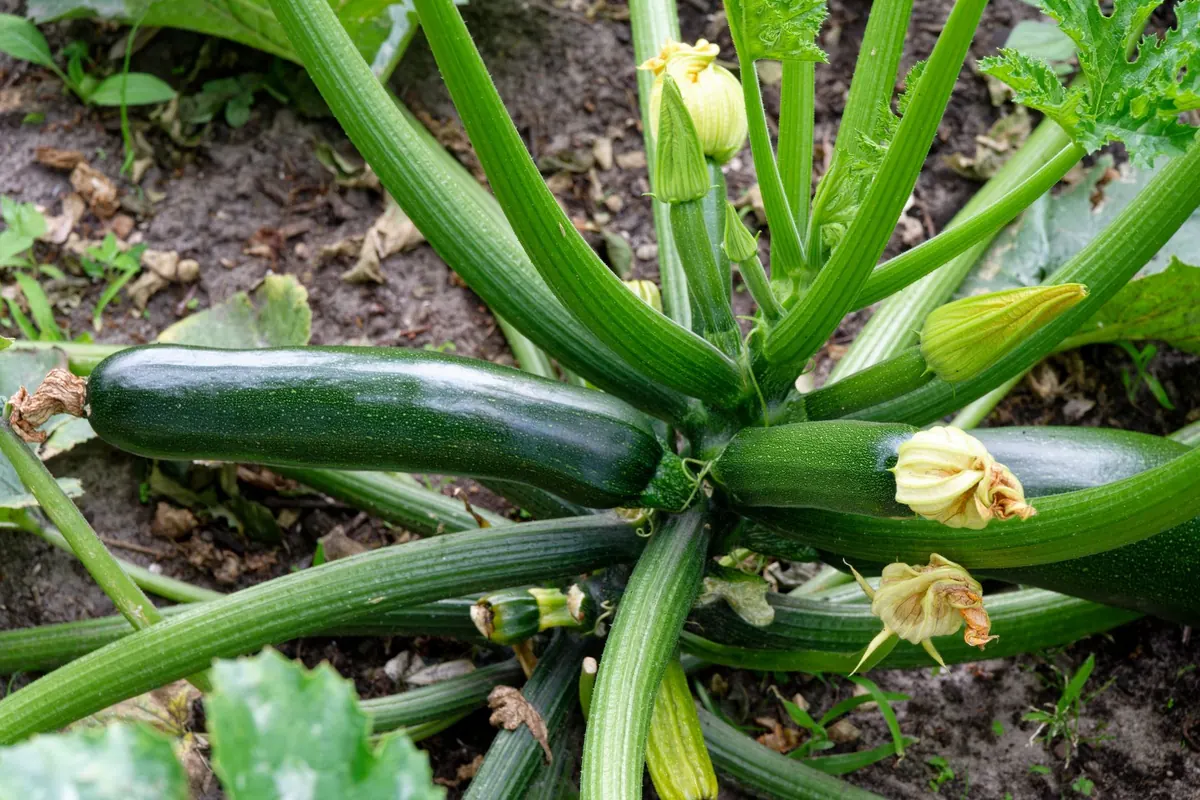
For most varieties, the sweet spot is 10–15cm long and about 2–3cm thick. At that size the skin is still tender enough to eat without peeling, the seeds have barely formed, and the flesh is dense rather than watery. Flavour is at its best before the fruit reaches the size you see in supermarkets — shop courgettes are often picked larger because they travel better, not because they taste better.
Push past 20cm and the changes are noticeable. The seed cavity fills and firms, the flesh turns spongy, and the taste flattens into something you have to disguise with garlic and tomatoes. Anything beyond 30cm is a marrow: perfectly edible, but it needs a completely different approach in the kitchen.
Variety matters too. Round types such as Eight Ball are ready at roughly tennis-ball size, while long green and yellow varieties follow the 10–15cm rule. If you saved the seed packet, the recommended picking size is usually printed on it — trust that over any general figure.
How to Tell a Courgette Is Ready
Colour alone will not tell you much, because courgettes are meant to be picked before they deepen. Check these signs instead:
- Glossy skin. A ready courgette looks slightly shiny and damp. A dull, matte finish usually means it has been left too long.
- A thumbnail leaves a mark. Press gently — if the skin dents easily and springs back, it is tender. If your nail slides off, it is hardening.
- The flower has finished. Fruit still carrying a fresh, open yellow flower is actively growing. Wait until the flower fades and drops or shrivels at the tip.
- Firmness all round. No soft patches, no hollow feel, and it should feel heavy for its size.
- A green, flexible stalk. Once the stalk turns woody or brown, the fruit is past its best.
In warm July weather a courgette can add several centimetres in a day, so a plant worth picking is worth checking daily — twice a day during a heatwave.
Cutting Technique: Sharp, Clean, Quick
Use a sharp knife or a pair of clean secateurs rather than pulling or twisting. Twisting tears the stem, can loosen the plant's roots, and leaves a wound that invites rot.
Hold the fruit steady in one hand and cut the stalk with the other, leaving 2–3cm attached to the courgette and cutting at a slight angle so rain runs off the cut surface on the plant. Harvest in the morning if you can: the fruit is firm and cool, and it keeps noticeably longer than one picked in the afternoon sun.
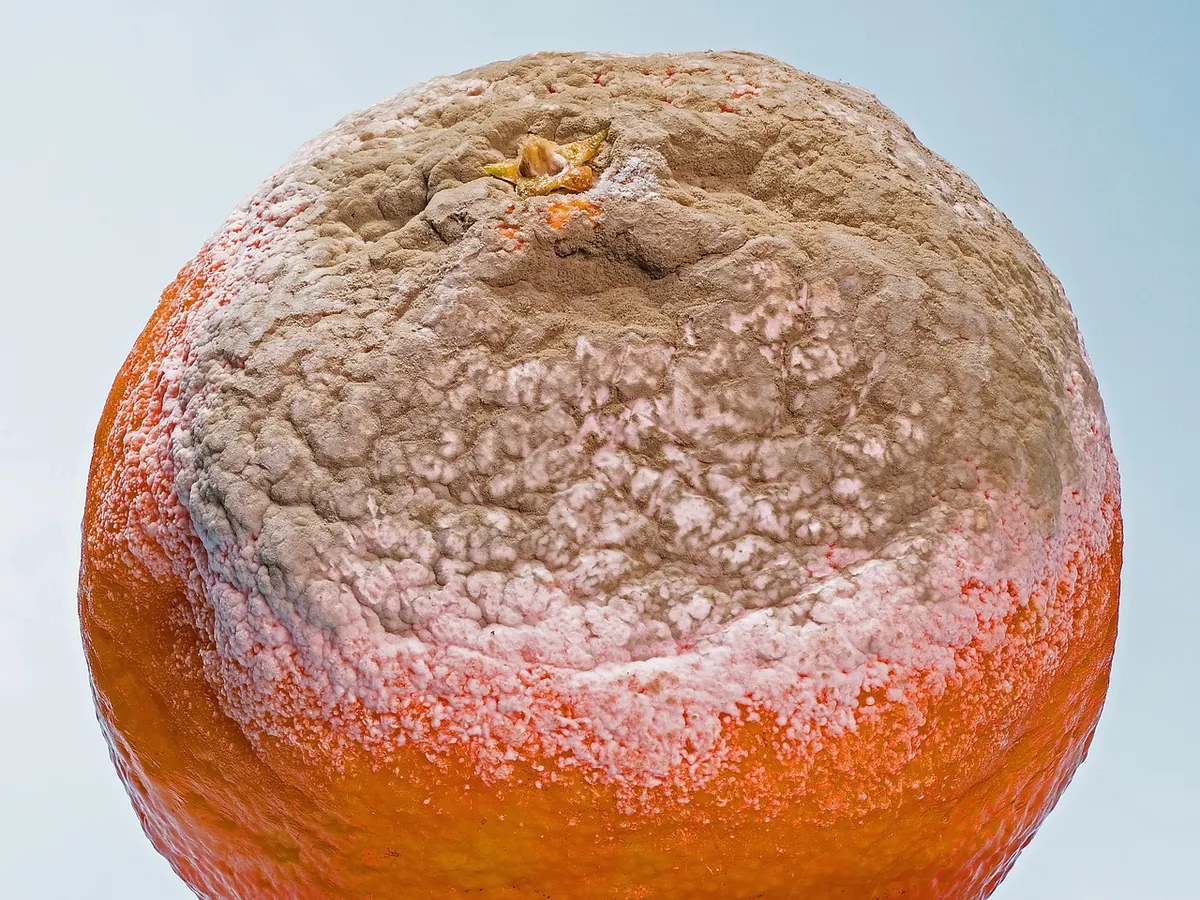
Some varieties have prickly stems and leaves, so wear gloves or a long-sleeved shirt if you bruise easily. While you are in there, remove any fruit you missed last week, plus any rotting or mouldy pieces lying on the soil. Leaving them encourages problems that spread to healthy plants.
Timing Through the Season
Outdoor courgettes sown in late spring usually start cropping in July, and keep going into September or October if the weather holds. From the first pick onwards, the rule is simple: harvest every two to three days at minimum, and daily at the peak.
There is a practical reason for that discipline. Once a courgette is left to swell into a marrow, the plant puts its energy into finishing that fruit and flowering slows down. Pick small and often, and the plant keeps producing new flowers in response.
Keep the soil evenly moist and feed with a high-potash tomato feed once flowering begins, roughly every ten to fourteen days. Irregular watering is behind many of the problems below, and mulching around the plant helps level out the dry spells.
When Something Goes Wrong
Fruit that yellows and shrivels at the tip
This is poor pollination, common early in the season or during wet, cool spells when fewer insects are flying. You can help by picking a male flower (the one on a plain stem), removing its petals and dabbing the pollen onto the centre of a female flower, which has a tiny courgette behind it.
A brown, sunken patch at the flower end
That is blossom end rot, not a disease. It happens when the plant cannot take up calcium properly, usually because watering has been inconsistent. Remove the affected fruit and water more evenly.
A genuinely bitter taste
Bitterness in courgettes is uncommon but real. If a fruit tastes sharply bitter rather than mild and nutty, discard it rather than cooking around it.
Storing Courgettes Without Losing Flavour
Do not wash courgettes until you are ready to use them; moisture on the skin speeds up spoilage. Keep them loose or in a paper bag in the fridge salad drawer, away from apples, bananas and tomatoes, which release ethylene and shorten their life. Expect a week to a fortnight. A few days at room temperature is fine too — courgettes dislike being chilled hard for long periods.
For a glut, freezing works best for cooked dishes. Grate or dice, blanch briefly, drain well and freeze in portions for soups, fritters and cakes. Frozen courgette is watery, so it suits baking and sauces better than quick frying. If you plan to bottle, pickle or preserve any of the crop in oil, follow a tested recipe rather than improvising — home preserving carries real food safety risks when done casually.
Oversized marrows are not wasted. Halve them, scoop out the seeds, stuff with rice, herbs and tomatoes, and roast. Or grate them, squeeze out the excess water and use them in chutney, soup or a courgette cake, where the extra moisture is an advantage rather than a problem.
A Two-Minute Daily Routine
Take a knife and a small trug out with your morning coffee and walk the plants. Cut anything at 12–15cm, twist off nothing, and check under the leaves where the hidden ones always sit. Drop the cut stems in the compost, water if the soil is dry a finger's depth down, and deal with any shrivelled or rotting fruit there and then.
That short round, done most days through summer, is what keeps the crop coming and the flavour at its peak. It also means you will be the person on the street handing out courgettes in August — which, in a good year, is exactly the problem you want.
Photo: Gu Bra / Pexels
Troubleshooting a Smelly Compost Bin: 5 Common Causes and Fixes
A smelly compost bin usually comes down to too little air, too much water or too many greens. Here's how...
Beginner's Guide to Companion Planting in a UK Vegetable Patch
A practical UK guide to companion planting: which pairings genuinely help with pests and pollination, what...
About Us