Hot Composting vs Wormery: Which Is Better for a Small UK Garden?
You have a small garden, a kitchen caddy that fills twice a week, and one corner by the shed that could hold something useful. Both hot composting and a wormery will turn that waste into something worth spreading on the beds. They just do it in very different ways, at very different speeds, and with very different demands on your time.
Here is how they compare on the things that actually matter in a UK garden: speed, footprint, what you can feed them, and how much fuss they need week to week.
How each system works
Hot composting
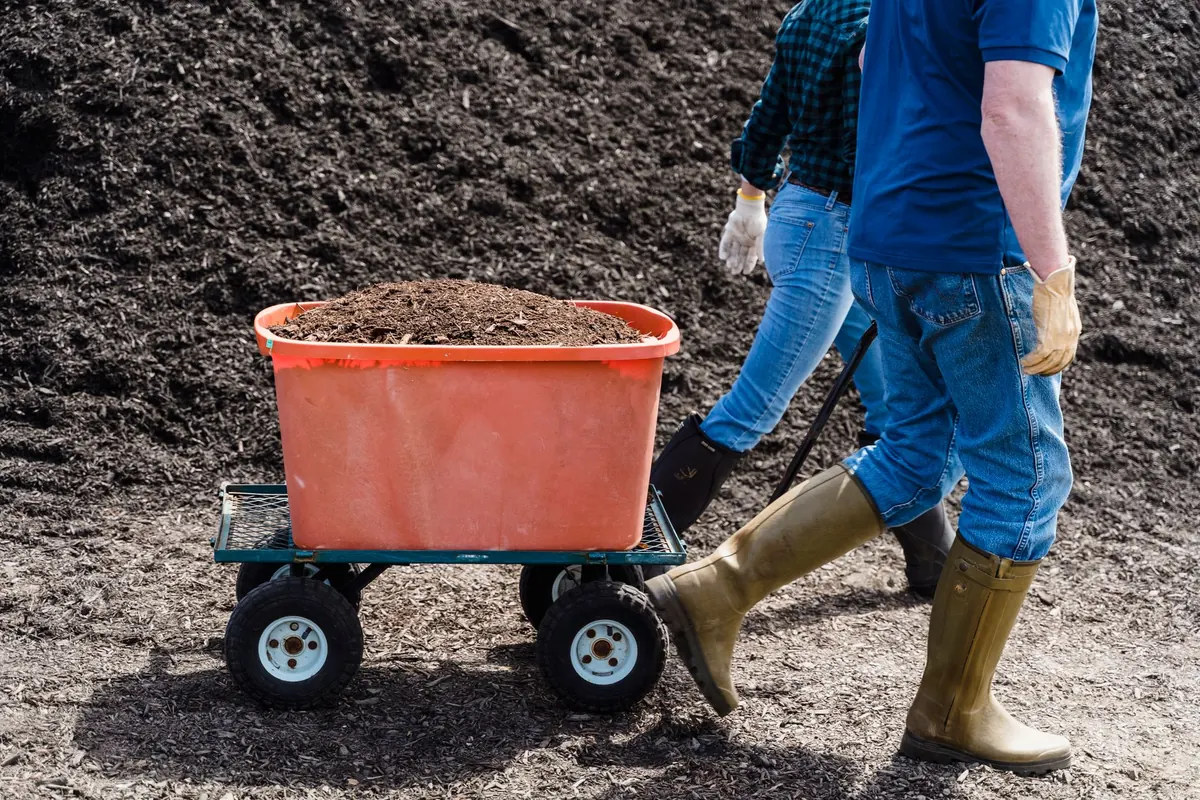
You build a heap, or fill a bin, with roughly one part soft green material to one or two parts brown. Get the moisture right and turn it. If the volume is large enough — around a cubic metre is the usual advice, though a well-insulated bin of 200–300 litres can get close — the middle heats to 55–65°C within a few days. That heat is what makes it "hot": it speeds up decay and kills many weed seeds and pathogens.
A wormery
A wormery is a stack of trays holding bedding — shredded paper, coir, a handful of soil — and a colony of tiger worms (Eisenia fetida), not the earthworms from your borders. You add kitchen scraps little and often, the worms eat them, and you harvest castings from the lower trays plus a liquid feed from the tap at the base. It is a slow, cool, contained process.
Speed: weeks versus months
Hot composting wins this comfortably. A well-managed heap can give usable compost in six to eight weeks through summer, and you can have a second batch coming along behind it. Let it cool, then dig it in or use it as mulch.
A wormery usually takes two to four months to fill a tray with castings, depending on temperature and how heavily you feed it. Chop scraps small and keep the bin steady at around 15–25°C and it will move a little faster, but you are not going to rush a worm. If you need bulk compost for a new bed this spring, the wormery will not supply it.
Space, siting and the British weather
Hot composting needs room in two directions: a footprint of about a square metre, and enough bulk to hold heat. A single dalek-style bin works at a push, but a three-bay pallet setup or an insulated tumbler lets you turn one batch while the next matures. Site it in sun or half-shade, on soil rather than concrete if you can, so surplus liquid drains away and soil life can move in.
A wormery is the better fit for genuinely tight spaces. A two- or three-tray model is roughly the size of a wheelie bin and can sit on a balcony, a paved yard or beside the back door. It does need shelter. Worms slow down badly in cold and can die in a hard frost, and a bin that bakes in full sun will cook them. A shed, garage or a spot against a sheltered wall is ideal.
What you can feed each one
Hot composting takes more or less anything plant-based, in bulk. A wormery is fussier, and rewards you for being picky.
- Hot heap: grass clippings, soft prunings, annual weeds before they seed, kitchen peelings, coffee grounds, shredded card and paper, straw, spent plants.
- Wormery: vegetable and fruit peelings, tea leaves, coffee grounds, crushed eggshells, small amounts of bread, and plenty of shredded paper for bedding.
- Neither: meat, fish, dairy, large amounts of cooked food, pet waste and diseased plant material.
- Hot heap only: perennial weed roots, seeding weeds and big grass cuts in one go — the heat deals with them. A wormery will not.
- Wormery caution: lots of onion, citrus and spicy scraps make the bin acidic. A sprinkle of lime or crushed eggshell helps balance it.
Maintenance: the honest weekly effort
This is where the two really part company, and where most people find out which one suits them.
- Hot composting: turn the heap every two or three days for the first fortnight to keep air in it, then weekly. Check moisture — aim for a wrung-out sponge — and add water or browns to correct it.
- Keep browns to hand: a sack of shredded cardboard means you never run out when the grass needs balancing. Running out is the usual reason a heap goes slimy.
- Wormery feeding: little and often, buried under the bedding to discourage flies. Check it is damp but not waterlogged.
- Harvesting: drain the tap every week or two and dilute the liquid about one part to ten with water before using it. Separate castings every few months.
- Winter: wrap the wormery in old carpet, bubble wrap or straw, or move it somewhere frost-free. Hot heaps slow down too, so keep the lid on and add a few extra browns.
Pests follow the same logic. A hot heap that is turned and balanced rarely attracts more than the odd slug. A wormery that is overfed, or left with scraps exposed, will draw fruit flies — and in a garden where rats are about, it is worth keeping sealed and tidy.
Choosing for your garden, and getting started
If you have a corner with room for a cubic metre of material and you want compost in weeks rather than months, hot composting gives the better return. It suits gardeners who generate plenty of prunings and grass, and who do not mind turning a heap twice a week in high summer.
If your outdoor space is a balcony, courtyard or small yard, and most of your waste comes from the kitchen, a wormery will quietly get on with the job. Ten minutes a week gets you castings for potting and a liquid feed for hungry tomatoes.
Plenty of small gardens run both: a wormery by the back door for kitchen scraps, a heap or insulated bin for garden waste. Starting from scratch? Set the wormery up first, because the daily habit is easier to build, and add a hot bin once you know how much green waste you really produce. Sort your browns, keep a lid on things, and give it a turn this weekend.
Photo: Greta Hoffman / Pexels
Troubleshooting a Smelly Compost Bin: 5 Common Causes and Fixes
A smelly compost bin usually comes down to too little air, too much water or too many greens. Here's how...
Beginner's Guide to Companion Planting in a UK Vegetable Patch
A practical UK guide to companion planting: which pairings genuinely help with pests and pollination, what...
About Us